
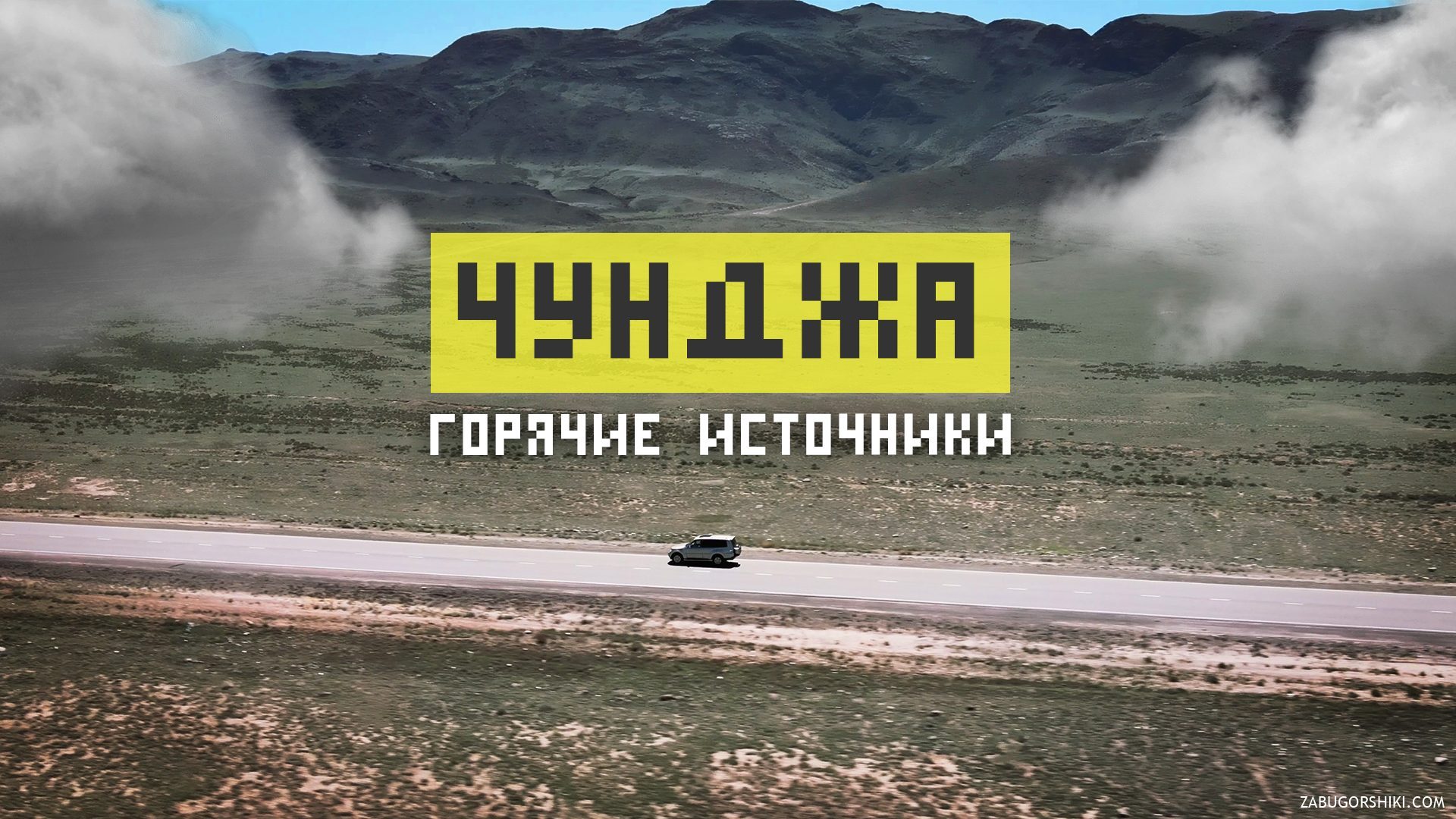
Chundzha Hot Springs: Day Trip or Weekend Getaway from Almaty
Overview
Description
A day trip or weekend escape from Almaty to Chundzha hot springs — 140 natural thermal springs in the Ili Valley along the old Silk Road, where mineral-rich water heated by ancient volcanic activity emerges at 37–50°C, surrounded by steppe, Uyghur culture, and Kazakhstan’s best laghman.
What to expect at the Chundzha hot springs
The Chundzha hot springs are the most popular thermal bath destination accessible from Almaty, and they couldn’t be more different from the mountain hikes that define most Almaty tourism. Instead of climbing, you soak. Instead of granite and spruce, you get open steppe and poplar-lined irrigation canals. Instead of Kazakh shepherds, you find the Uyghur heartland of Kazakhstan — a Turkic Muslim culture rooted in the Silk Road oasis towns of eastern Central Asia, with its own cuisine, language, and traditions.
Chundzha (also spelled Chunja, Shonzhy, or Шонжы in Kazakh) is a village of roughly 18,000 people, 250 km east of Almaty in the Uygur District of Almaty Region. The district is 57% ethnic Uyghur and 41% Kazakh — the only district in Kazakhstan where Uyghurs form a majority. The village’s name traces back to the Mongol Empire: “Conji” in Mongolian means “a fortress guarding the border” — a reference to its origin as a military station at the junction of nine trade routes built by the heirs of Genghis Khan.
The hot springs themselves lie not in the village but along a 50-km belt east of Chundzha, stretching along the Aksai–Chundzha–Koljat highway toward the Ketmen mountain range. There are approximately 140 documented thermal outlets, fed by deep artesian wells heated by residual volcanic activity some 200 million years old. The water contains radon, silicic acid, calcium, sodium, chlorine, iodine, and bromine — a mineral profile once categorised simply as “radon springs” but now recognised as a complex therapeutic cocktail.
The springs have been commercialised into dozens of resort complexes ranging from basic Soviet-era facilities to modern spa hotels. Most resorts pump water from their own artesian wells at depths of 500–650 metres, with pool temperatures maintained between 36–39°C year-round. The outdoor pools never freeze — even in January when steppe temperatures hit −15°C, making winter visits a particular thrill: steaming in naturally hot water while snow blankets the surrounding landscape.
Detailed itinerary
Drive from Almaty (4–4.5 hours)
We depart Almaty heading east on the A352 highway — the main road toward the Chinese border at Khorgos. The drive takes you through some of Kazakhstan’s most dramatic landscape transitions.
The first hour follows the Almaty ring road east past satellite towns. After about 100 km, the road climbs to the Kok-Pek Pass — a scenic mountain crossing with sharp switchbacks through dry, rocky terrain. This is one of the most dramatic stretches of road in the Almaty region, with views down into the Ili River valley.
Descending from the pass, the landscape transforms into arid steppe — flat, treeless, and vast. You’re now in the Ili Depression, a rain-shadow valley between the Zailiysky Alatau and the Ketmen range. The Charyn River canyon lies to the south (the turnoff for Charyn Canyon is roughly at the 200 km mark).
Approaching Chundzha, the scenery softens: irrigated farmland appears, poplar windbreaks line the road, and the settlements take on a distinctly different character from Almaty’s suburbs. You’re in the Uyghur heartland.
Arrival at the hot springs
The resort complexes are clustered east of Chundzha village along the highway toward Koljat, roughly 40–50 km from the village itself. Your guide helps select a resort appropriate for your preferences (see resort section below).
At the resort, you check in and head directly for the pools. Most resorts offer 4–7 pools with varying temperatures — some indoor, some outdoor. The thermal water feels silky on the skin due to its high silicic acid content. Many visitors report noticeably softer skin after a single session.
Soaking and relaxation
The heart of the experience is simple: soak, rest, eat, repeat. A typical day at the springs involves alternating between pools of different temperatures, drying off in the steppe sun (or cold winter air), and eating extraordinary food.
The pool protocol is intuitive: start with a moderate pool (36–37°C), graduate to hotter ones (38–40°C), and finish with a cool-down. Sessions of 15–20 minutes per pool are recommended. Radon-enriched water has documented therapeutic effects on joints, skin conditions, and respiratory ailments, though visitors with cardiovascular conditions should consult a doctor before prolonged hot-water bathing.
Between soaks, the resorts offer saunas, steam rooms, massage services, and quiet relaxation areas. The surrounding steppe is flat and quiet — a complete sensory contrast to the mountain landscapes around Almaty.
What most travel guides underplay and visitors consistently rave about is the food. Chundzha sits in the heart of Kazakhstan’s Uyghur culinary tradition, and the resort restaurants — along with village eateries in Chundzha itself — serve some of the best Central Asian food in the country.
Laghman — hand-pulled noodles in a rich meat-and-vegetable broth (soupy style) or stir-fried with sauce (boso laghman). This is the signature dish of Uyghur cuisine, and Chundzha’s version is widely considered the best in Kazakhstan. The noodles are pulled to order — stretching dough into long, elastic strands in a technique passed through generations.
Ashlan-fu — a cold noodle dish combining starch noodles and laghman noodles in a spicy vinegar-chilli broth. Refreshing, cheap, and addictive. A specialty of the Uyghur and Dungan communities.
Samsa — flaky pastry parcels filled with spiced lamb and onion, baked in clay ovens. The Uyghur version is distinct from the Uzbek or Kazakh samsa — crispier, more fragrant.
Goshnan — pan-fried Uyghur meat pies, crispy outside, juicy inside. Not widely available in Almaty restaurants.
Polo (pilaf) — Uyghur-style rice dish with lamb, carrots, and dried fruits, cooked in rendered lamb fat. Similar to Uzbek plov but with its own spice profile.
The food alone justifies the trip for many visitors — and it’s a genuine cultural experience, not a tourist performance.
Optional: Charyn Canyon combination
The Chundzha hot springs sit roughly 100 km east of the Charyn Canyon turnoff on the same highway. The most popular multi-day itinerary from Almaty combines both destinations: Charyn Canyon on the outbound journey, Chundzha hot springs for overnight recovery. After hiking through the Valley of Castles, soaking in 38°C mineral water feels earned.
Return to Almaty
For a day trip, depart the springs by early afternoon for the 4–4.5 hour return drive. For an overnight or weekend stay, enjoy a second day of soaking before returning. The drive back passes the Kok-Pek Pass again — equally dramatic in the opposite direction.
Choosing a resort
The Chundzha springs area hosts dozens of resort complexes along the highway. Quality ranges from basic Soviet-era facilities to modern hotels. Here’s what to know:
Kara Dala Hot Springs Resort — the most frequently recommended resort for international visitors. Seven thermal pools (indoor and outdoor), water pumped from their own artesian well at 650 m depth. Pool temperatures 36–39°C year-round. Clean rooms, good restaurant serving Uyghur and Kazakh cuisine. English-friendly website with online booking (karadala.kz). Located on the Chundzha–Koljat highway at km 73. Books up quickly — reserve in advance, especially for weekends and holidays.
Other established resorts include Lux, Tumar, Arman, Premium Spa Resort, Kashgar, Oasis, Mirage, and Raduga. Quality and pricing vary significantly — your guide can recommend based on your budget and group size. Some offer water slides and children’s pools (summer).
What to look for: Pool water should be pumped from the resort’s own artesian well (not recycled). Check how many pools are available and whether outdoor pools are operational in your season. Ask about meal inclusion — many resorts include breakfast and offer half-board.
What to expect: Even the better resorts are “Central Asian comfortable” rather than international luxury standard. If you’ve experienced hot springs in Japan or Iceland, calibrate expectations accordingly. The water quality is excellent; the rooms and facilities are functional and clean at the better resorts, rustic at budget options.
Why book a guided Chundzha trip?
The hot springs are straightforward to visit independently with a rental car, but a guided trip adds value in several ways: navigation of the resort landscape (dozens of options, quality varies wildly, little reliable English-language information), the Charyn Canyon combination logistics, the Kok-Pek Pass drive (dramatic but tiring), and — for international visitors — the Uyghur cultural context that transforms a spa day into a genuine Silk Road experience. Your guide can arrange stops at local eateries in Chundzha village where the laghman and samsa are better (and far cheaper) than at the resorts.
When to visit
Spring (March–May): Pleasant driving weather, comfortable bathing temperatures. The steppe begins to green. Moderate tourist numbers.
Summer (June–August): Hot — daytime steppe temperatures can reach 35–40°C. Bathing in hot springs during a heat wave is less appealing. Some resorts add cold-water pools and slides. Best if combining with a Charyn Canyon visit.
Autumn (September–November): Ideal season — comfortable driving and bathing weather, golden steppe colours, fewer crowds. The contrast between cooling air and hot water begins.
Winter (December–February): The most dramatic experience — soaking in steaming outdoor pools while snow covers the steppe and temperatures drop to −10 to −15°C. The visual contrast of steam rising from hot water into freezing air is extraordinary. Roads are maintained but can be icy at the Kok-Pek Pass — winter tires essential.
Frequently asked questions
Are the Chundzha hot springs safe? Yes, for most visitors. The thermal water is well-studied and widely used. However, people with cardiovascular conditions, very high blood pressure, or certain skin conditions should consult a doctor before extended hot-water bathing. Radon content in some springs requires awareness — sessions of 15–20 minutes per pool are recommended, with cool-down breaks between soaks. Pregnant women should consult their doctor. The resorts themselves are safe and well-established.
What is radon water and is it safe? Radon is a naturally occurring radioactive gas present in many thermal springs worldwide. At the low concentrations found in the Chundzha springs, radon bathing has been used therapeutically for centuries — particularly for joint pain, skin conditions, and respiratory ailments. The exposure from bathing is brief and at very low levels. That said, radon therapy remains debated in Western medicine, and visitors with concerns should consult a healthcare provider.
How long should I stay? A day trip (depart Almaty early morning, 4–5 hours at the springs, return evening) is feasible but rushed. An overnight stay is recommended — it allows time to properly relax, try the restaurants, and not rush the drive. A two-night weekend stay is ideal for full therapeutic benefit.
Can I combine Chundzha with Charyn Canyon? Yes — this is the most popular multi-day itinerary from Almaty. Day 1: Drive to Charyn Canyon, hike the Valley of Castles, continue to Chundzha (1–1.5 hours further east). Overnight at springs. Day 2: Morning soak, drive back to Almaty. We offer this as a combined tour.
What is the Uyghur connection? Chundzha is the administrative centre of Kazakhstan’s Uygur District — the only district in the country with a Uyghur ethnic majority (57%). The Uyghurs are a Turkic Muslim people historically concentrated in the oasis cities along the Silk Road in what is now China’s Xinjiang region. Waves of migration to Kazakhstan occurred from the 1880s through the 1960s, driven by border changes, political upheaval, and persecution. The Chundzha area preserves Uyghur language, cuisine, and cultural traditions in a way increasingly difficult in Xinjiang itself. For visitors, the most tangible expression is the food — Uyghur cuisine is distinct from Kazakh cuisine and is one of Kazakhstan’s great culinary traditions.
What’s the difference between the resorts? Ranges from very basic (Soviet-era concrete pools, minimal facilities, ~6,000 tenge/night) to comfortable modern resorts (multiple indoor/outdoor pools, saunas, restaurants, ~12,000–15,000+ tenge/night). Kara Dala is the most reliably recommended for international visitors. All resorts access the same geothermal water — the difference is in facilities, cleanliness, and food quality.
Is English spoken at the resorts? Very limited at most resorts. Kara Dala has an English website and some English-speaking staff. At other resorts, Russian is the primary language, with Uyghur and Kazakh also common. A guide or basic Russian phrases are helpful.
What is the Kok-Pek Pass? A mountain pass on the A352 highway about 150 km east of Almaty. The road climbs through rocky terrain with sharp switchbacks, offering dramatic views of the Ili Valley below. It’s a scenic highlight of the drive but can be tiring for the driver. In winter, the pass may be icy — winter tires are essential, and the road can occasionally close during heavy snowfall.
Itinerary
Detailed itinerary will be provided upon booking. Our typical tour includes daily hikes through diverse terrains and cultural experiences.
Traveler Stories
Sarah K.
Our guide was incredible - he adjusted the pace perfectly for our group and knew exactly where to stop for the best photos. The whole experience felt effortless, like everything was taken care of before we even thought to ask.
Marco T.
We were a group of 4 friends and the per-person price made it a no-brainer. Private 4x4, lunch included, and the canyon was breathtaking. Way better than the big bus tours we saw there.
Anna W.
Solo traveler here. I was nervous about hiking alone in a foreign country but the guide made me feel completely safe. The trail to Kok-Zhailau was beautiful and the photos he took of me were amazing. Only wish the hike was longer!
David R.
Third time booking with these guys. Butakovka, Big Almaty Lake, and now Titov Peak. Every single time the service is flawless. The fact that it's always private and max 6 people makes such a difference compared to other operators.
Share Your Experience
Tour At A Glance
165
Videos on the channel

13,000+

16,000+

59
Hikes Filmed

704,000 m
Total Distance

44,439 m
Total Elevation Gain

812 cups
Grand Cru Tea Cups

27
Countries Visited

83 hours
Drone Flight Hours

10 videos
Sports: Running, Snowboard
3 videos
Healthy Eating

1
Living on the Edge